
TMJ Disorders
TMJ Disorders
Our office provides a comprehensive evaluation of the temporomandibular joints (TMJ), along with a thorough assessment of the head, neck, and facial region. This
includes advanced diagnostic imaging such as X-rays and MRI when necessary. For your convenience, all treatments and therapies are performed in-office, allowing for a seamless and coordinated approach to your care.
Causes of Temporomandibular Joint Dysfunction (TMD)
TMD can result from a variety of factors, including trauma such as strains, sprains, whiplash, or direct injury to the head or neck. It may also be influenced by poor posture, chronic stress, or issues with how the teeth come together (bite alignment).
While teeth may appear straight and properly positioned, underlying problems can still exist if the bite (occlusion) is not in harmony with the jaw joints and surrounding muscles. This imbalance can lead to discomfort, tension, and dysfunction over time.
Unlike many general dental practices, our office has pursued specialized education and training in the diagnosis and treatment of TMD. We focus on identifying the precise relationship between the teeth, jaw joints, and muscles to ensure a more accurate diagnosis and effective, long-term treatment approach.
Symptoms of Temporomandibular Joint Dysfunction (TMD)
- Chronic headaches
- Limited jaw movement or locking open/closed
- Clicking, popping, or grating sounds in the jaw
- Pain or discomfort while chewing
- Difficulty bringing teeth together properly
- Dizziness or balance issues
- Ear fullness, pressure, or pain
- Facial pain or tenderness
- Neck pain or stiffness
Treatment of Temporomandibular Joint Dysfunction
- Orthotic therapy to properly align the jaw
- Ultrasound therapy to reduce inflammation and improve circulation
- Hot and cold therapy for pain relief and muscle relaxation
- Iontophoresis to deliver anti-inflammatory medication through the skin
- Targeted injections to relieve pain and reduce muscle tension
- Spray and stretch techniques to release tight muscles
- Jaw exercises to improve mobility and strengthen function
- TENS (Transcutaneous Electrical Nerve Stimulation) for pain control
- Electrical therapies to support muscle relaxation and healing
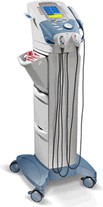
Genisys Ultrasound and Electrotherapy Machine
This advanced therapeutic unit combines both ultrasound and electrotherapy technologies to effectively reduce pain and accelerate the healing of muscles and ligaments.
Ultrasound therapy works by delivering deep, targeted heat to affected tissues, improving circulation and promoting faster healing. Electrotherapy, including TENS and muscle stimulation, helps relieve pain, reduce inflammation, and relax tight or overactive muscles.
Together, these therapies provide a powerful, non-invasive solution for managing discomfort, enhancing recovery, and restoring proper function, making it an excellent complement to comprehensive treatment plans for
TMJ and other musculoskeletal conditions.